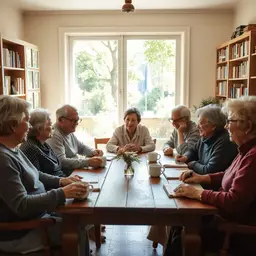

Cognitive Benefits
- Improved Memory: Actively engaging the mind through writing reinforces memories.
- Enhanced Creativity: Storytelling ignites new ideas and inspires creative processes.
2026-01-26
As we navigate our golden years, the desire to share our life stories can become a powerful motivator. Personal storytelling not only preserves memories but also inspires connection and reflection. This article introduces the transformative journey of narrative writing, tailored specifically for seniors, highlighting its benefits and encouraging you to embark on this rewarding path.
Exploring the advantages of narrative writing can help understand its importance in enhancing cognitive skills and personal fulfillment. For a deeper dive into how writing can positively impact your later years, consider reading about the benefits of writing for seniors.
As we embrace our golden years, the idea of sharing our stories often becomes more appealing. Narrative writing offers a unique opportunity to reflect on our lives, express ourselves, and connect with others. At Retirement Writers Retreat, we believe that personal storytelling is an adventure that can enrich your life and those around you!
Through the act of writing, we can explore our thoughts and experiences in a way that is both fulfilling and liberating. This gentle introduction to narrative writing is meant to help you discover the joy of sharing your personal tales and the lessons learned along the way.
Personal storytelling holds tremendous significance, especially in our later years. It allows us to reflect on our life journeys and share those experiences with others. By putting pen to paper, we can not only preserve memories but also inspire younger generations to learn from our paths.
Moreover, storytelling can help foster deeper connections with family and friends. Sharing our narratives creates moments of understanding and empathy. Have you thought about the lessons you've learned that could resonate with others? Let's explore that together!
Narrative writing is not just about sharing stories; it's also a way to promote mental well-being. Engaging in writing can help keep our minds sharp and encourage creativity. For more insights on how retirees are finding joy and fulfillment through writing, check out these retiree success stories.
In addition to cognitive benefits, narrative writing allows for self-expression. It gives us a platform to articulate our feelings and experiences, fostering a sense of purpose and identity. At Retirement Writers Retreat, we emphasize the importance of reflecting through writing as a pathway to personal growth.
Memoirs and personal narratives serve as significant platforms for storytelling. They dive deep into our individual lives, providing a lens through which others can view our experiences. These writings can range from humorous anecdotes to profound life lessons, each holding value and meaning.
Writing a memoir is not just about reflecting on the past; it's about celebrating our unique journeys. Whether you wish to document a specific event or the overarching themes of your life, your narrative matters! Every story is an opportunity to connect and inspire.
Here's a brief recap of the key points discussed so far:
As we embark on our writing journeys, it's essential to recognize the barriers that may arise, especially for seniors. Challenges can come in various forms, such as physical limitations or the complexities of technology. By understanding these obstacles, we can find ways to overcome them and keep our creative spirits alive!
One of the most common issues seniors face is adapting to new technology. Many of us might feel overwhelmed by digital tools, but with a little patience and practice, we can learn to navigate them. Remember, writing should be a joyful experience, not a stressful one! Let's explore some ways to tackle these challenges.
Physical challenges, such as arthritis or visual impairments, can make writing a daunting task. However, there are many solutions that can help ease the process. Here are a few ideas to consider:
Additionally, engaging in tech workshops can equip you with the necessary skills to feel more comfortable with writing tools. Remember, you are not alone; there is a community ready to support you!
For those of us facing visual impairments, there are specialized tools that can enhance the writing experience. Consider the following options:
With the right tools, writing can remain an accessible and fulfilling activity. Embrace these solutions and remember that every word you write is a step forward!
If arthritis or similar conditions make writing difficult, there are several aids available to help you write more effectively:
Using these writing aids can make a significant difference, allowing you to focus on your stories instead of the discomfort. Remember, at the Retirement Writers Retreat, we celebrate every writer's journey and the unique stories that emerge from each experience.
Writing is not just about crafting stories; it's about leaving a legacy that reflects who you are. As we share our tales, we also engage in a process of self-discovery and reflection. This journey can be incredibly rewarding, providing a sense of purpose and connection.
In our busy lives, we often forget to pause and appreciate the experiences that have shaped us. Embracing our life stories can be therapeutic, offering insights into our past and guiding us toward the future. Let's delve deeper into the benefits of writing and how it can enrich our lives!
Engaging in narrative writing can be beneficial in numerous ways, especially for seniors. Here are some cognitive and therapeutic benefits to consider:
These benefits highlight the importance of sharing our unique narratives. As we write, we not only illuminate our journeys but also inspire those around us.
Every story you tell holds value and can leave a lasting impact. Sharing your life experiences through writing creates a treasure trove of memories for future generations. Imagine your grandchildren reading about your adventures and life lessons! Here’s how you can start crafting your legacy:
As you weave your story together, remember the value it brings not only to you but to those who will read it. A legacy crafted through writing is a beautiful way to connect with others and ensure your life experiences are cherished.
Journaling and oral histories can serve as powerful tools for reflection and storytelling. By keeping a journal, you create a space to explore your thoughts and emotions. You might also consider recording oral histories, where you share your life story verbally. This method can be especially engaging for younger family members.
Here are some ways to incorporate journaling and oral histories into your writing practice:
Through these practices, you can not only document your past but also create meaningful connections with loved ones. Remember, every word you write is a step toward embracing and sharing your unique journey!
As you consider diving into your narrative writing journey, I encourage you to reflect on what stories matter to you. What experiences have shaped your life? What lessons do you want to share? Taking the time to answer these questions can spark inspiration and propel you forward on your writing path.
Finding the right support can make all the difference in your writing journey. Joining workshops or writing groups can provide you with the encouragement and feedback needed to flourish. For inspiration, explore inspiring writing journeys of retirees who have found their voice.
Reflecting on these questions can help you clarify your writing goals and ignite your passion for storytelling. Remember, at the Retirement Writers Retreat, we believe that your stories are worthy of being told!
As you embark on this exciting journey, seek out workshops and writing groups that resonate with you. Engaging with others not only cultivates camaraderie but can also inspire fresh ideas and perspectives. Here are some tips to find the right resources:
Connecting with fellow writers can provide motivation and support as you navigate your writing journey.
Lastly, don't forget to explore various resources that can enhance your writing experience. For those looking to take their storytelling to the next level, you might even consider trying to start writing your first novel.
Remember, every step you take brings you closer to sharing your unique narrative. Embrace the journey, and let your stories shine!
Here is a quick recap of the important points discussed in the article:
An accomplished writer and passionate advocate for creative expression among retirees, Harold believes that writing is a powerful tool for self-discovery and fulfillment in retirement. With a background in literature and storytelling, he dedicates his time to helping others embrace their creativity, guiding them on their writing journeys. Explore the insights and inspiration Harold shares through RetirementWritersRetreat.com, empowering retirees to connect and express their unique voices.
Join a vibrant community dedicated to empowering retirees to embrace creative writing as a fulfilling post-career pursuit. Discover the joy of storytelling and connect with like-minded individuals who share your passion for writing.