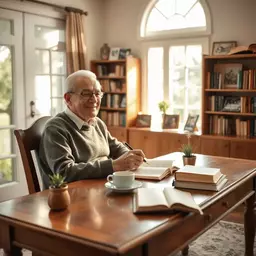

Cognitive Boost
Writing enhances mental sharpness and memory retention, keeping your mind active and engaged.
2025-12-17
Have you ever considered how writing might unlock a new chapter of your life in retirement? By engaging in the art of writing, you can discover deeper meaning and connection, turning your life experiences into powerful narratives. The journey of self-discovery through writing not only enriches your personal growth but also fosters a community of like-minded individuals eager to share their stories.
Writing in retirement brings numerous cognitive and emotional enhancements that enrich our lives. Below are some highlighted benefits that illustrate the positive impact of writing. For more insights on this topic, you might also find our article on writing benefits for seniors helpful.
Writing enhances mental sharpness and memory retention, keeping your mind active and engaged.
Writing serves as a powerful outlet for stress reduction and self-expression, promoting emotional well-being.
Engaging in writing creates community ties and friendships through shared storytelling experiences.
Engaging in storytelling fosters a sense of accomplishment, enhancing overall self-esteem.
As retirees, you might find yourself reflecting on your life's journey and seeking new avenues to uncover deeper meaning. Engaging in writing can be a profound way to find purpose and fulfillment in this new chapter of your life. At the Retirement Writers Retreat, we believe that writing allows you to explore your thoughts and emotions, helping you embrace the richness of your experiences.
Writing can be a bridge to connect your past with your present and future, guiding you toward self-discovery. By sharing stories that matter to you, whether they are humorous, poignant, or enlightening, you can transform your memories into narratives that resonate with others. This creative pursuit not only enriches your life but also creates a vibrant tapestry of shared experiences that can inspire fellow retirees. For examples of others who have found joy in writing during their golden years, check out Retirees Discover Joy in Writing.
Have you ever paused to consider why writing might hold such a special place in your heart during retirement? For many retirees, the motivation stems from a desire for self-expression and the need to document life lessons. Embracing writing allows you to reflect on personal growth and share insights that might enlighten others in similar situations.
Moreover, writing cultivates a sense of community. It connects you with like-minded individuals who appreciate the journey of storytelling, creating a supportive environment. In our workshops at the Retirement Writers Retreat, I often see how sharing your stories can spark genuine friendships and collaboration, helping you feel less isolated and more engaged in this new phase of life.
Did you know that writing can also enhance your cognitive health? Engaging in regular writing exercises stimulates your brain, improving mental sharpness and memory retention. This is especially vital as we age, as keeping our minds active can help stave off cognitive decline.
Additionally, writing offers a unique way to organize your thoughts. Whether it’s through journaling, crafting stories, or even poetic expression, the act of writing challenges your brain to think critically and creatively. At the Retirement Writers Retreat, our participants often report feeling more focused and alert after dedicating time to their writing endeavors. For those interested in starting their first major project, consider exploring how to start writing your first novel.
In essence, writing can be more than just a hobby; it can be a vital component of your overall wellness as a retiree. By harnessing the power of words, you’re not only preserving memories but also nurturing your mind and spirit as you embark on this exciting phase of life. Embrace the pen or keyboard, and let your thoughts flow freely!
To enhance your writing journey, consider setting a daily writing routine. Even dedicating just 15-20 minutes each day can significantly boost your creativity and discipline. Try keeping a writing journal where you can jot down your thoughts, ideas, or even snippets of stories you wish to explore further. This practice not only sharpens your writing skills but also helps you track your progress and reflect on your growth over time.
Writing in retirement offers a world of benefits that can truly enhance our golden years. From boosting cognitive function to providing emotional relief, the power of putting pen to paper cannot be overstated. I’ve seen firsthand at the Retirement Writers Retreat how participants discover new facets of themselves through storytelling and expression.
Many retirees find that writing sharpens their minds and boosts their spirits. Not only does it help improve memory, but it also fosters a sense of accomplishment. As we dive into the details, let’s recap some key points on how writing can positively impact our lives in retirement.
Throughout this journey, we've explored how writing serves as more than just a creative outlet—it's a pathway to improved cognitive function and emotional well-being. Here are some highlights:
These benefits create a holistic approach to enhancing our quality of life during retirement. I've witnessed the joy that unfolds as our community members share their stories at the retreat, reinforcing the idea that every story matters!
As you contemplate your writing journey, know that it's never too late to embark on this incredible adventure! I encourage you to embrace your unique voice, share your experiences, and explore various writing avenues. Whether you're crafting a memoir, journaling daily, or participating in group workshops, every word you write adds depth to your life.
Consider these simple steps to keep your writing spirit alive:
Writing can be a fulfilling and enriching part of retirement life. Remember, your stories are worthy of being told, and there’s a community at the Retirement Writers Retreat eager to support you on this path!
Getting started with writing is easier than you might think! There are numerous writing classes and workshops, both local and online, tailored specifically for retirees. These programs create supportive environments where you can learn and grow alongside other budding authors. To find out more about structured learning opportunities, explore writing workshops for retirees.
With the right guidance, you’ll find that writing can become an exciting and rewarding habit that enhances your retirement experience.
Sometimes, a little nudge is all we need to start writing! Here are some daily writing prompts and templates that can spark your creativity and help you dive into your writing practice:
Consider embarking on a 30-day writing challenge! Each day, tackle a new prompt and watch your confidence bloom. Your words have the power to inspire not only yourself but also others who may read your work.
Blogging and digital storytelling are fantastic avenues for sharing your life experiences and creativity. Platforms like WordPress or Blogger make it easy for anyone to start their own blog, even if you’re new to technology. Sharing your stories online can connect you with a wider audience and foster friendships with fellow writers!
Here are some tips to get started:
As you explore blogging, remember that your unique voice and perspective are what will resonate with others. At the Retirement Writers Retreat, we cherish the stories that come from each individual, and I can’t wait to see how you share yours with the world!
Here is a quick recap of the important points discussed in the article:
An accomplished writer and passionate advocate for creative expression among retirees, Harold believes that writing is a powerful tool for self-discovery and fulfillment in retirement. With a background in literature and storytelling, he dedicates his time to helping others embrace their creativity, guiding them on their writing journeys. Explore the insights and inspiration Harold shares through RetirementWritersRetreat.com, empowering retirees to connect and express their unique voices.
Join a vibrant community dedicated to empowering retirees to embrace creative writing as a fulfilling post-career pursuit. Discover the joy of storytelling and connect with like-minded individuals who share your passion for writing.