




- Success Stories
- Dec 20
2025-12-29
As we embrace retirement, many find themselves seeking purpose and fulfillment. What if the key to enhancing your life during these years lies in the power of creative writing? Engaging in this enriching activity not only fosters self-discovery but can also bring joy and clarity to your journey.
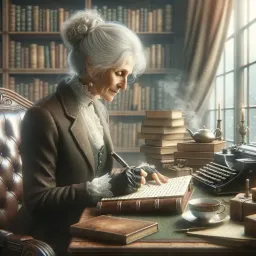
Exploring the essential components that enhance retirement fulfillment via creative writing, illustrated below. For more insights on how writing can transform your post-career life, consider exploring how writing contributes to a fulfilling retirement.
Finding activities that resonate with you and provide a sense of meaning.
Building and maintaining relationships through shared writing experiences.
Engaging the mind through creative expression and writing.
Sharing your unique voice and experiences through writing.
As we transition into retirement, it’s essential to explore ways to enhance our sense of fulfillment. One powerful avenue is creative writing, which can significantly enrich your life during these golden years. Reflecting on my journey at the Retirement Writers Retreat, I've seen firsthand how embracing writing can create a fulfilling routine filled with *self-discovery* and joy.
Writing isn't just about putting words on a page; it's about expressing our thoughts, feelings, and experiences. When we engage in writing, we connect with our inner selves while also sharing our stories with others. In this section, we'll explore the many benefits writing brings, particularly during retirement, as we embrace this chapter of our lives.
Retirement fulfillment goes beyond having enough money to live comfortably; it encompasses a sense of purpose, belonging, and satisfaction with life. Many retirees find themselves facing an identity shift, which can lead to feelings of boredom or loss. At Retirement Writers Retreat, I've seen how writing can help fill this gap, providing retirees with a meaningful way to express themselves.
Research shows that engaging in meaningful activities, like writing, can have a *profound psychological impact*. When we write, we not only relive our memories but also gain clarity about our experiences, fostering a deeper understanding of ourselves. It's an excellent opportunity to explore our thoughts and feelings and connect with what truly matters to us. Learn more about the benefits of writing for seniors.
Retirement fulfillment is an intricate blend of emotional and intellectual satisfaction. It includes aspects such as social connections, hobbies, and personal growth. Writing opens doors to explore these dimensions, allowing you to document your journey and reflect on your experiences. Here are some essential aspects of retirement fulfillment:
Engaging in meaningful activities like writing offers several psychological benefits. By focusing on creative outlets, retirees can enhance their mental well-being. These benefits include:
Writing plays a crucial role in personal development during retirement. It helps retirees explore their identity, reflect on their experiences, and create a meaningful legacy. As we delve into writing's transformative power, we'll examine various ways you can harness it to foster growth and fulfillment in your own life.
In my experience with the Retirement Writers Retreat, I’ve observed how seniors use writing not just as a hobby but as a crucial tool for self-discovery and reflection. Whether it’s through journaling, crafting memoirs, or exploring creative avenues, writing can bring forth a wealth of personal insights! If you're interested in more advanced creative projects, consider how to start writing your first novel.
Journaling is a powerful tool for self-reflection. It allows you to express emotions, track personal growth, and clarify your thoughts. Many retirees find that regular journaling helps them navigate this new life stage with purpose. Here’s how you can make the most of journaling:
Creative writing offers an excellent opportunity to reflect on your life and document your experiences for future generations. By sharing your stories, you create a lasting legacy that can inspire others. Here’s why creative writing is so impactful:
Reflective writing serves as a bridge to self-discovery. By examining our past experiences, we can gain insights about ourselves, leading to personal growth. This process can be liberating and transformative, allowing retirees to embrace their new identities with confidence. In your reflective writing journey, consider:
In summary, writing during retirement can significantly enhance our sense of fulfillment and personal growth. By harnessing the power of words, we create opportunities for self-reflection, meaningful connections, and legacy building. As we explore the various writing avenues available, I encourage you to embrace this journey and discover the joy that awaits you through writing!
Here's a brief recap of the key points discussed so far:
Writing can become a rewarding part of your retirement routine if you make the right adjustments. Establishing a routine helps you stay committed to your writing journey, making it feel less like a chore and more like a fulfilling activity. Plus, having a structured plan allows you to blend writing with other enriching experiences you’re pursuing during retirement! You can find more journaling tips for retirees to help you get started.
Setting up a dedicated writing space is a fantastic first step. This space should inspire you and be equipped with everything you need—comfortable seating, natural light, and perhaps some of your favorite books nearby. Think of it as your personal retreat, much like what we offer at the Retirement Writers Retreat, where creativity flourishes in a nurturing environment.
When crafting your writing space, consider the following elements:
With your space set up, you can now focus on integrating writing into your daily life. Finding time for writing may seem challenging amidst other retirement activities, but it can be done!
Consider these tips for fitting writing into your busy schedule:
By creating an inviting writing space and establishing a schedule, you’ll find it easier to enjoy writing as part of your retirement. Remember, it’s all about embracing the process and allowing your creativity to flow!
One of the best ways to spark creativity is through engaging writing prompts and exercises! These tools can help you overcome writer’s block and inspire new ideas. Plus, they’re a fun way to explore your thoughts and experiences.
Here are some exciting prompts you might try:
These prompts not only spark creativity but also help you reflect on your journey, building the narrative that you may later want to share with others. Many retirees find great joy in writing, enriching their lives profoundly.
To dig deeper into your personal experiences, consider these strategies:
Utilizing these interactive exercises will make your writing journey exciting and rewarding! Connecting with your experiences through writing not only enhances your skills but also enriches your life.
Improving your communication skills is another fantastic benefit of writing! Engaging in specific exercises can help you articulate your thoughts more clearly:
These exercises not only sharpen your skills but also bring new dimensions to your writing, allowing you to express yourself more effectively in everyday conversations!
Here is a quick recap of the important points discussed in the article:
An accomplished writer and passionate advocate for creative expression among retirees, Harold believes that writing is a powerful tool for self-discovery and fulfillment in retirement. With a background in literature and storytelling, he dedicates his time to helping others embrace their creativity, guiding them on their writing journeys. Explore the insights and inspiration Harold shares through RetirementWritersRetreat.com, empowering retirees to connect and express their unique voices.
Join a vibrant community dedicated to empowering retirees to embrace creative writing as a fulfilling post-career pursuit. Discover the joy of storytelling and connect with like-minded individuals who share your passion for writing.